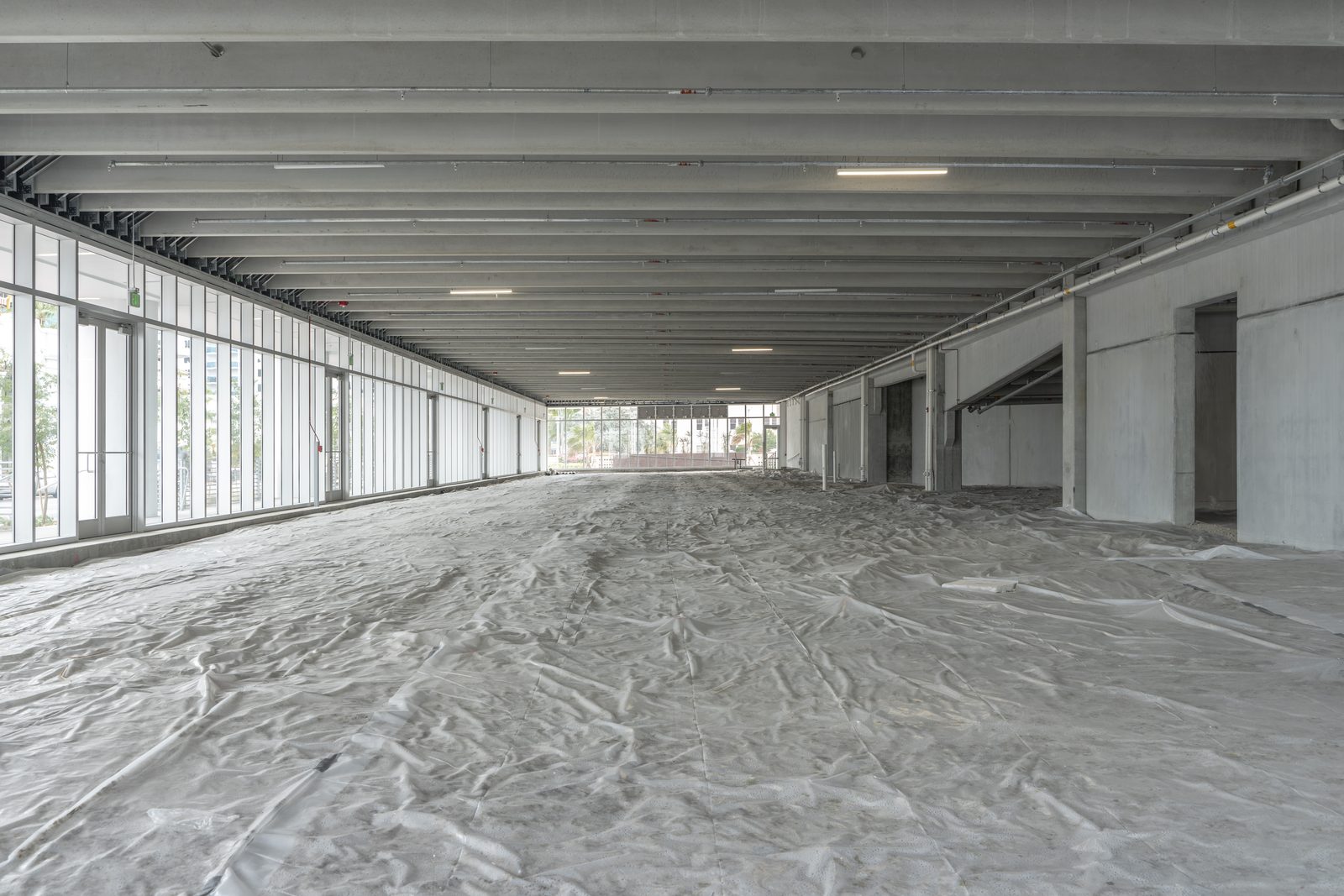
In a turnkey build-out, the landlord delivers agreed improvements under a defined work letter. The tenant still needs to confirm the full budget, delivery standards, approvals, and responsibilities for changes and delays.
Pros for tenants:
Funding the Defined Scope:
Confirm which improvements the landlord funds and whether exclusions, tenant-requested changes, equipment, or other project costs require tenant payment. The agreed scope and cost allocation control the result.
Time Savings:
The landlord can coordinate design, permitting, construction, and inspections for its agreed scope. The tenant still needs to provide approvals and coordinate its own equipment, technology, and move-in requirements.
Allocation of Cost and Delivery Risk:
A turnkey arrangement can place responsibility for a defined scope of work on the landlord. The lease and work letter should specify that scope, delivery standards, approval process, change-order pricing, exclusions, and responsibility for delays. Confirm how tenant-requested changes and unforeseen conditions are handled before relying on a fixed build-out cost.
Cons for tenants:
Delays:
Construction
Architectural drawings
Labor Issues
Permitting
Supply Issues
Obtaining a Certificate of Occupancy
Longer Lease Term:
The lease term and pricing reflect the agreed improvements and negotiated allocation of costs and delays. Review that commitment alongside flexibility, occupancy costs, and the needs of the business.
This allows the landlord the ability to amortize the cost of the buildout over a longer period, allowing the landlord to stay competitive from a rental rate standpoint.
Tenants’ Credit Highly Scrutinized
Landlord will want to carefully review financial statements, such as P&L statements, credit history, and balance sheets dating back 2-3 years. The more money a landlord puts into a deal, the more scrutinized a tenant’s financials will be, as landlords aim to reduce any potential risks. There might be instances where they require a tenant sign a personal guaranty. WRA would advise our clients to avoid this arrangement. It gives the landlord the ability to seize personal assets if the company cannot fulfill its lease commitments.
Conclusion:
The original September 2023 discussion reflected construction-cost pressures at that time. For a current assignment, compare turnkey delivery with an allowance using the defined scope, current proposals, exclusions, change-order terms, and delay responsibilities.
Negotiating a build-out? It's part of every WRA relocation engagement.